What Is Reflection?
Reflection is a powerful mental process that allows individuals to pause and thoughtfully consider their experiences, thoughts, and emotions. But what is reflection exactly? At its core, reflection is the act of looking back and examining an event, idea, or feeling to gain deeper understanding and insight. This process involves actively engaging your mind to analyze, evaluate, and synthesize information, which helps in developing self-awareness, critical thinking, and emotional intelligence.
Reflection is not just a casual thought but a deliberate practice that requires much reflection over time to fully grasp the lessons and meanings embedded in our experiences. It is this repeated engagement with our thoughts that leads to meaningful transformation in how we perceive ourselves and the world. Reflection helps us find the words to express complex feelings and ideas, enabling clearer communication with ourselves and others.
The Brain Science Behind Reflection
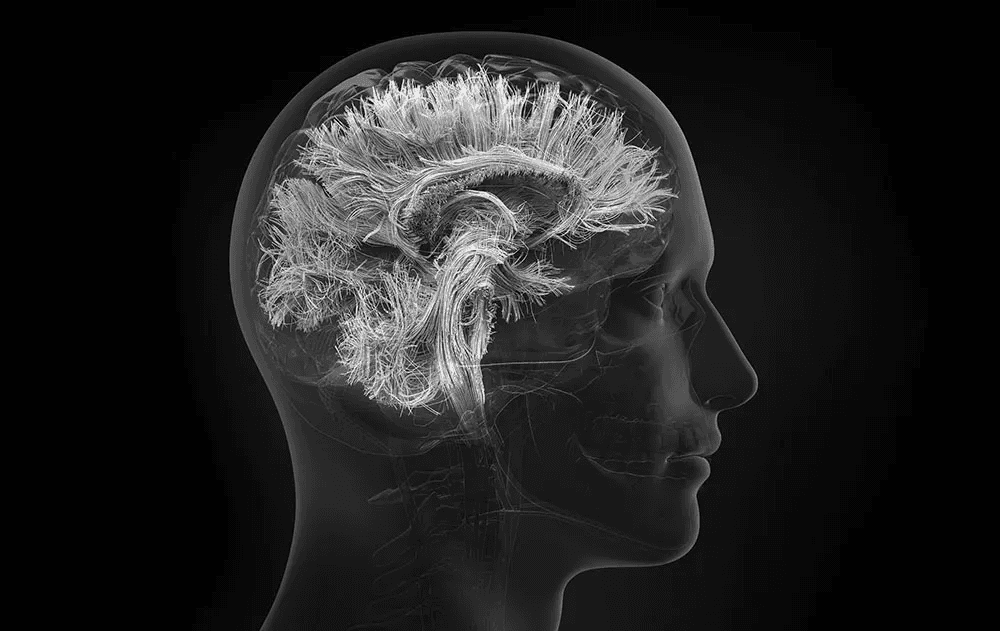
When you reflect, your brain activates several neural pathways that enhance memory consolidation and promote learning. This means that the act of reflecting on your experiences helps you retain important lessons and apply them to future situations effectively. Research in neuroscience shows that reflection encourages the brain to form stronger connections between new information and existing knowledge, making it easier to recall and use that information when needed. This process also supports problem-solving skills by allowing you to explore different perspectives and consider alternative approaches.
Reflecting influences the brain’s prefrontal cortex, the area responsible for decision-making, planning, and regulating emotions. By engaging in reflection, you improve your ability to focus, control impulses, and manage stress. This mindful practice calms the brain’s emotional centers, such as the amygdala, reducing anxiety and promoting a balanced mental state. The result is clearer thinking, better emotional regulation, and increased resilience in the face of challenges.
Brain waves also play a role during reflection. Alpha and theta waves increase, which are associated with relaxed yet focused states, ideal for deep thinking and creativity. This neurological activity supports the transformation of raw experiences into meaningful insights.
Reflection as a Tool for Personal Growth and Leadership
Incorporating reflection into your daily routine, especially through tools like Reflecta, can significantly enhance your personal growth and leadership development. Reflecta’s AI-powered coaching guides you through structured reflection exercises, journaling prompts, and personalized roadmaps that help you explore your mindset, energy, strategy, relationships, and execution. This approach ensures that your reflections are not just passive thoughts but active steps toward meaningful change.
One of the key benefits of reflection is its role in fostering critical reflection—the ability to question assumptions, beliefs, and behaviors. Critical reflection pushes you beyond surface-level thinking to examine the underlying causes and effects of your actions and decisions. This deeper level of reflection is essential for continuous learning and self-improvement, enabling you to adapt and grow in both your personal and professional life.
The Point of Reflection
The point of reflection is to create a space where you can pause, think critically, and gain clarity about your experiences. It helps you answer important questions about your goals, values, and behaviors. By reflecting regularly, you develop a clearer sense of direction and purpose, which represents a foundational step toward meaningful personal growth.
The Metaphor of Reflection in Nature and Physics
The science behind reflection also highlights how light travels and bounces off surfaces, metaphorically similar to how your thoughts reflect off your mind’s inner surfaces. Just as a smooth mirror produces a clear image, a focused reflecting surface in your brain helps produce clear, insightful reflections. The image produced by your reflection is not just a simple replay of events but a complex combination of memories, emotions, and interpretations that shape your understanding and influence your future actions.
In physics, the law of reflection states that the angle of incidence equals the angle of reflection on a plane surface. This principle can be applied as a metaphor for how the direction of your attention during reflection determines the clarity and usefulness of the insights you gain. By consciously directing your focus, you can better uncover certain things about your experiences that might otherwise remain hidden.
The figure of a light ray striking a mirror and reflecting at an equal angle helps explain how reflection works both physically and mentally. Just as waves of light are reflected, your thoughts and emotions bounce back in ways that can illuminate new perspectives.
Capturing and Tracking Your Reflections with Reflecta
Using Reflecta’s note-taking and journaling features allows you to capture your written reflections, making it easier to track your progress over time. Written reflections serve as valuable evidence of your growth, helping you measure changes in your beliefs, attitudes, and behaviors. This ongoing documentation creates a feedback loop that reinforces positive habits and highlights areas for further development.
Reflecta’s app integrates seamlessly with your browser and other apps, enabling you to save snippets, ideas, and moments of inspiration as they occur. This frictionless capture ensures that your reflections are not lost but organized and accessible whenever you need to revisit or build upon them.
Reflection’s Role in Community and Collaboration
Reflection also plays a crucial role in building community and fostering meaningful connections. Sharing reflections within a supportive environment can influence others, spark new ideas, and create a culture of openness and continuous learning. Reflecta’s platform encourages this by integrating tools that help you express your opinions, collaborate with others, and access resources that enrich your reflective practice.
Teams and groups that engage in reflection tend to develop stronger bonds and improved communication. By reflecting together, members can gain a shared understanding of their goals and challenges, eventually leading to better decision-making and collective growth.
The Importance of Direction and Focus in Reflection
The angle at which you approach reflection matters as well. Just like in physics, where the angle of incidence equals the angle of reflection on a surface, the way you focus your attention during reflection determines the quality of insights you gain. By consciously directing your thoughts and energy toward specific aspects of your experience, you can uncover hidden patterns, recognize strengths, and identify opportunities for growth.
Reflection is not a one-time event but a continuous process that requires patience and intention. Over time, much reflection helps you build a more nuanced understanding of yourself and your environment, enabling you to respond to challenges with wisdom and confidence.
Everyday Examples and Practical Applications
Examples of reflection in everyday life include considering the clouds that pass overhead, the sunlight filtering through leaves, or the calm surface of a lake mirroring the sky. These natural moments invite you to pause and reflect, connecting you to the broader nature of existence and your place within it. Reflecta helps you capture and expand on these moments, turning fleeting thoughts into actionable plans for personal and professional development.
In educational settings, incorporating reflection into courses enhances learning outcomes and group dynamics. Students who engage in reflection tend to express more thoughtful conclusions, demonstrate improved collaboration, and develop a greater sense of purpose. Reflecta’s AI coaching can support these processes by providing tailored prompts and frameworks that guide reflective thinking in detail.
Comparing Reflecta to Other Apps
While there are many apps designed for note-taking and journaling, Reflecta stands out by combining AI coaching with personalized roadmaps that help you not only capture your thoughts but also transform them into meaningful growth. Unlike other apps that simply store information, Reflecta helps you explore the underlying theories and practical applications of reflection, making it a comprehensive tool for personal and professional development.
Conclusion: The Transformative Power of Reflection
Ultimately, reflection is a transformative function of the human mind that combines the power of memory, emotion, and cognition. It allows you to write your own story by integrating past experiences with present awareness and future intentions. By committing to a regular reflection practice with Reflecta, you harness the full potential of your brain’s ability to grow, adapt, and thrive in an ever-changing world.
Reflection is not just about looking back; it is about moving forward with clarity, purpose, and resilience. Through much reflection and the support of tools like Reflecta, you can unlock new insights, develop stronger connections, and achieve lasting transformation.